Back to Works
Ongoing art project

ONS

أُنس · from the letter to a body that keeps us company

Year
2026
Origin
Musnad & Thamudic scripts
Scale
20 cm to 3 m and above
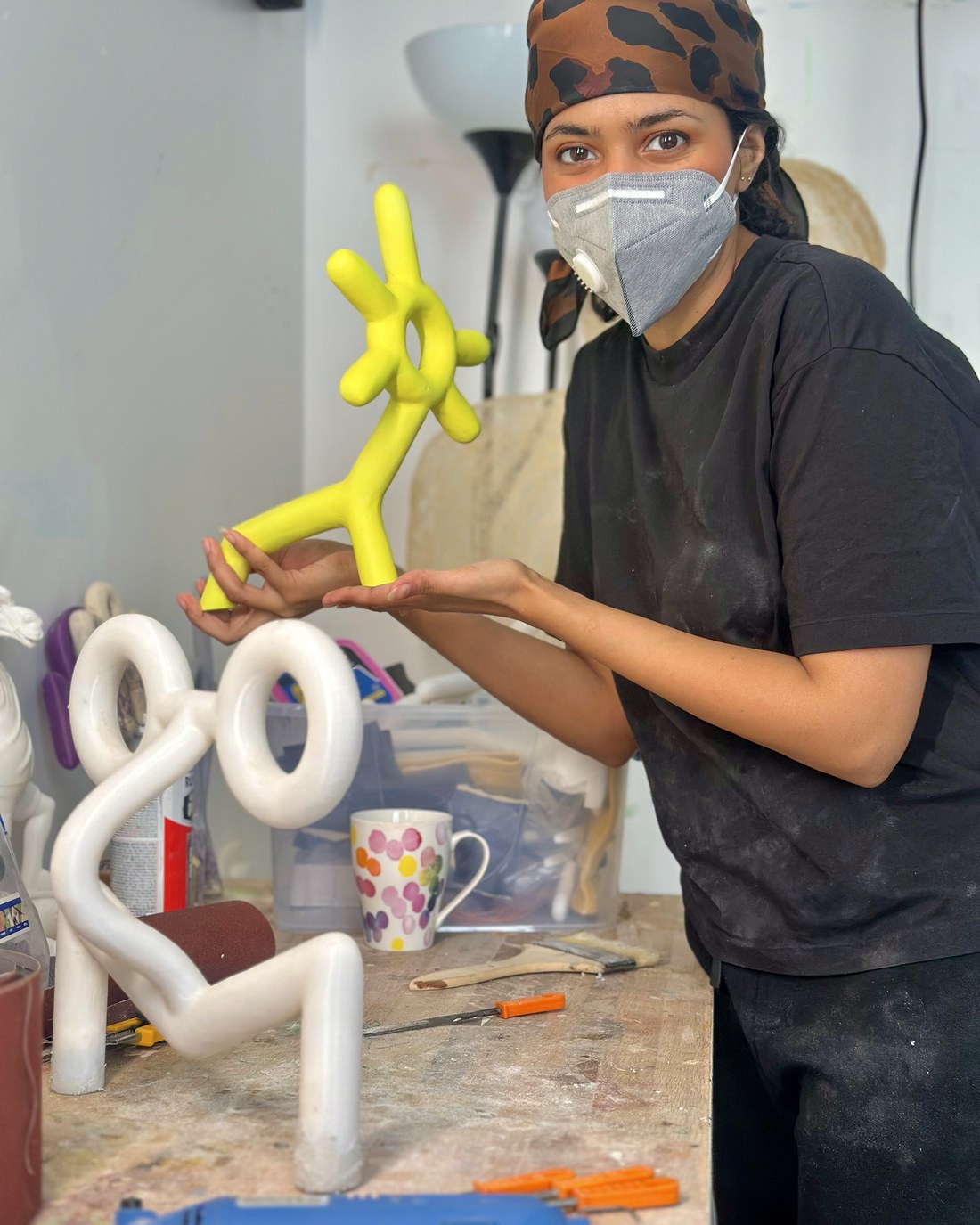
Marya Mayan in her studio holding a yellow ONS sculpture
In the studio, Riyadh.

What remains of a letter when it ceases to be read?

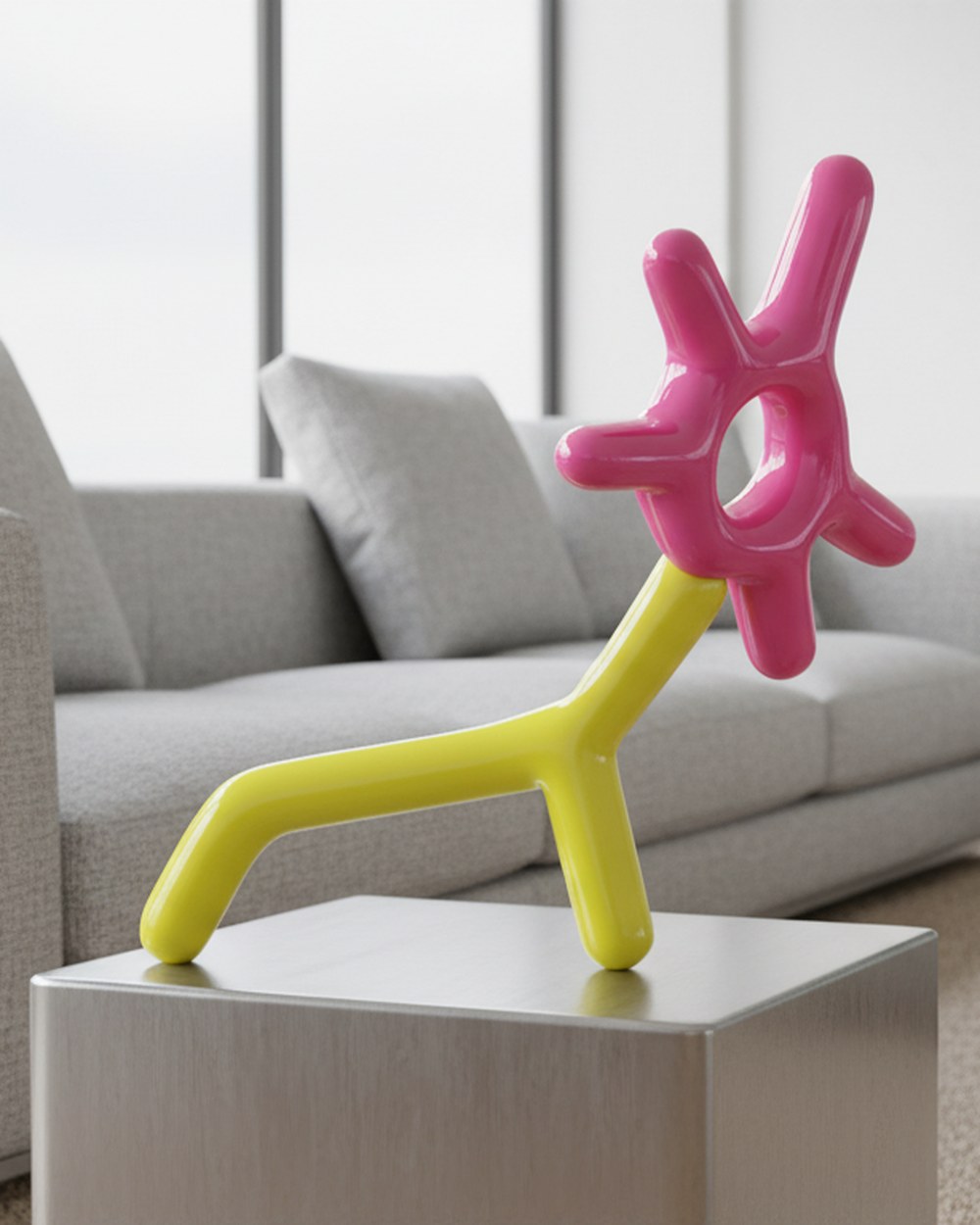
ONS is a contemporary art project that begins from the visual structure of Musnad and Thamudic letters. The letters are drawn out of their textual order, reshaped and recomposed by movement and balance, gaining thickness and volume until they become organic masses standing in space.

Concept

Through this transformation the letter's legibility recedes and the body takes on an independent logic, one that may reveal the form of an animal or an imagined creature, so the character is born of stance, mass, and rhythm. The name arrives once the body is complete, giving it a narrative identity.

So ONS carries the letter from the face of the rock to a contemporary being that inhabits a place and shares its presence with people.
Visual origin

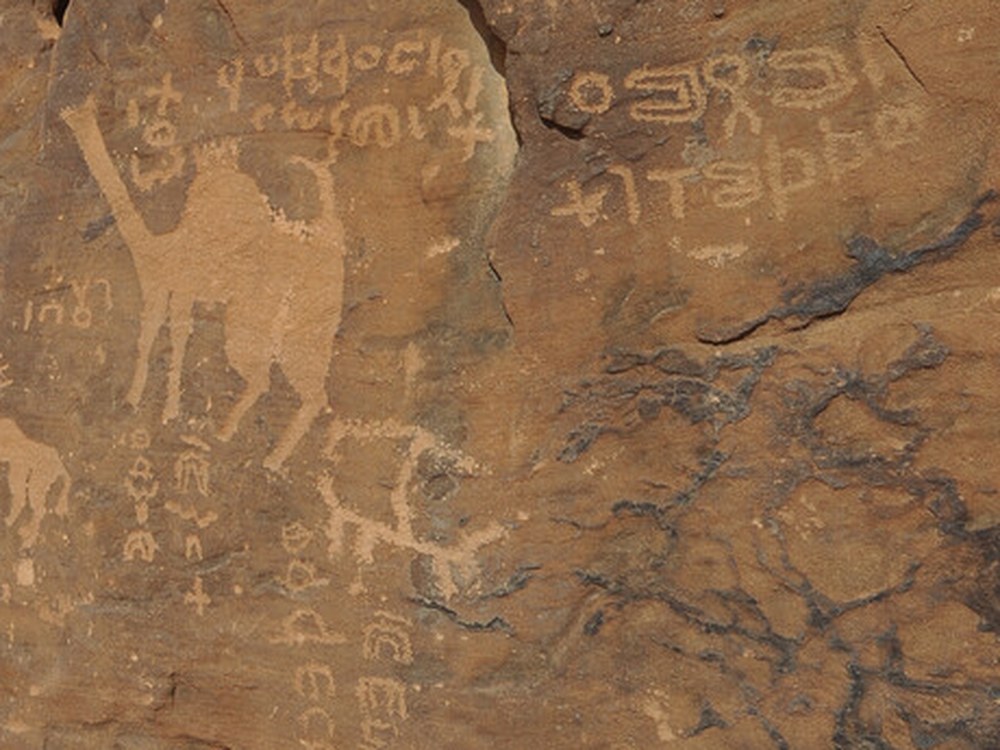
In the desert inscriptions, writing sits beside drawings of people and animals on a single surface, with no divide between language and image, each a mark its maker left against time. From this adjacency ONS draws its relation between letter and being.

The project brings together the monumental rigour of Musnad and the spontaneity of Thamudic desert inscriptions. Musnad lends weight and discipline, while Thamudic opens a wider field for movement and freedom.

A rock panel where a camel drawing sits beside Thamudic writing on one surface
Jubbah, Ha'il · on the UNESCO World Heritage List, 2015.
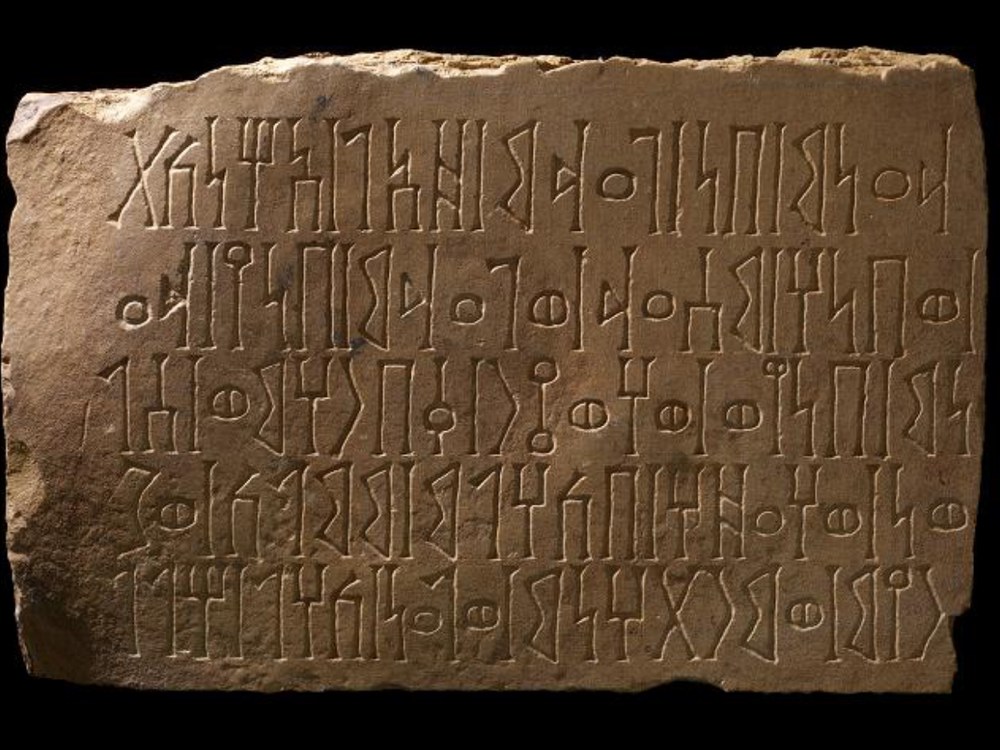
A stone slab carved with five lines of Musnad script
Musnad: late 2nd millennium BCE to the 6th century CE.

Visual code

The surfaces draw their colours and patterns from the wild and marine life of the Peninsula: the leopard's rosettes, the whale shark's dots, the lionfish's sharp lines, the soft desert tones of the sand cat. Each being is given a path attuned to its mass and movement, so the pattern belongs to the body as its letter does, and every character keeps its own identity while the group stays one family.

The collection

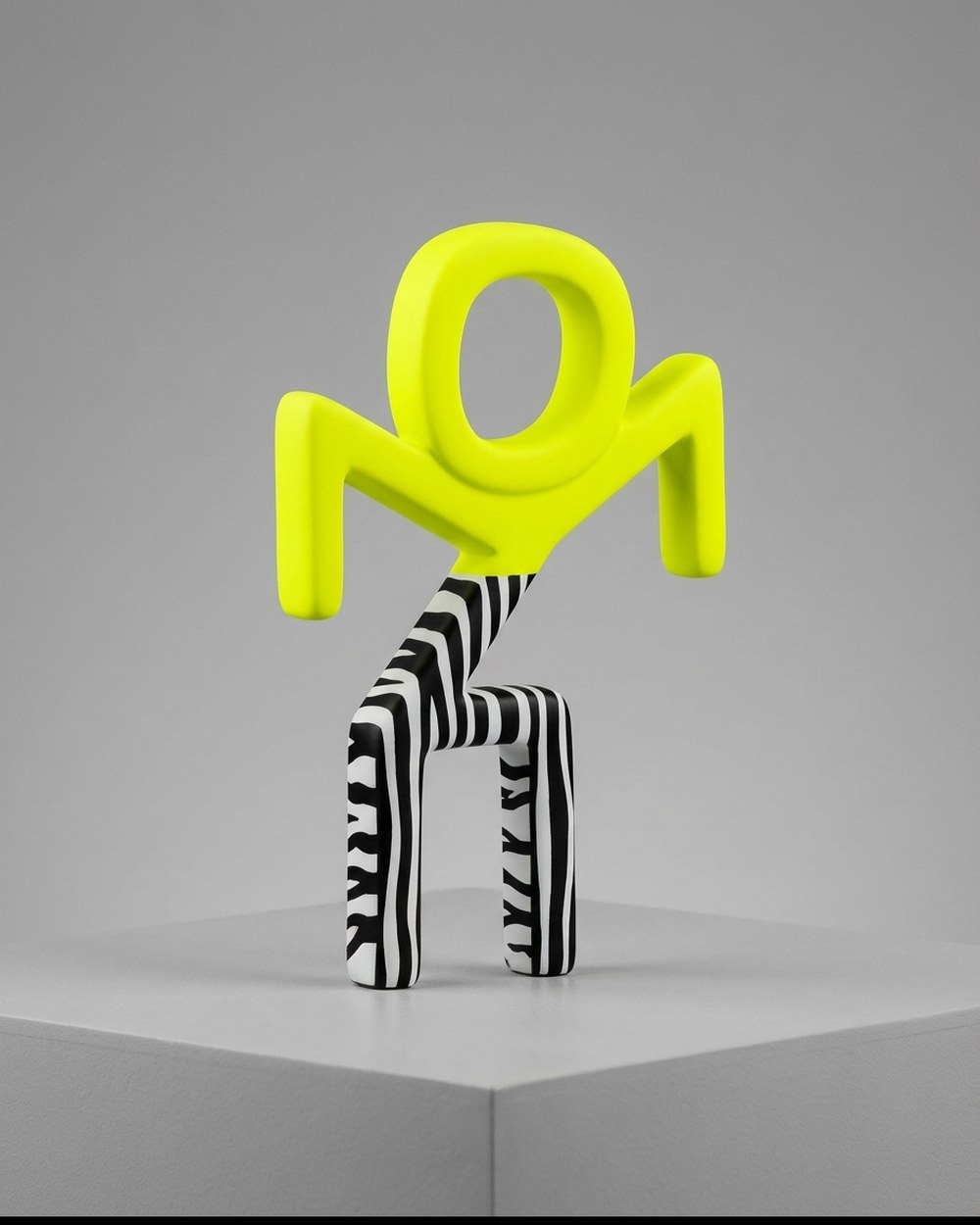
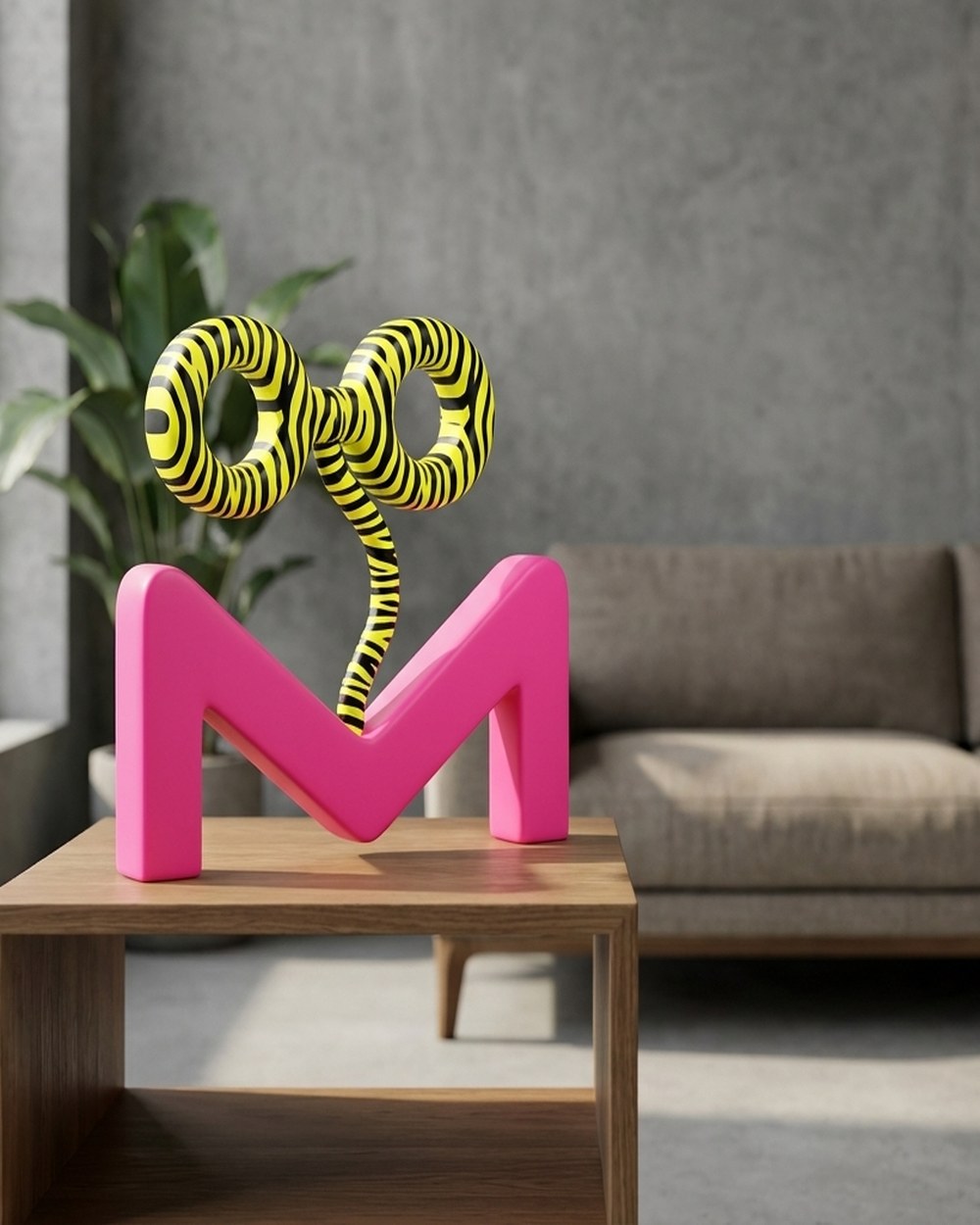
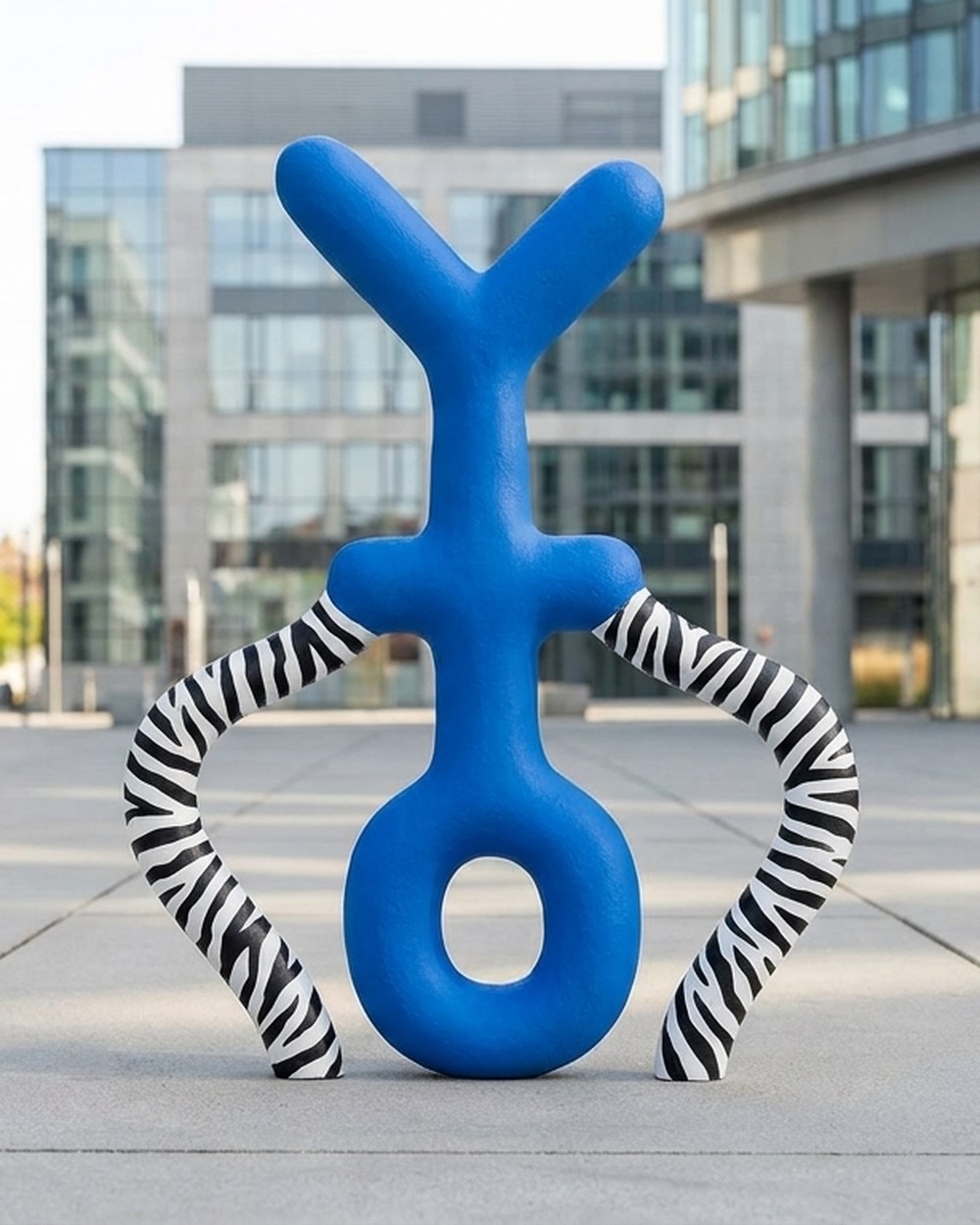
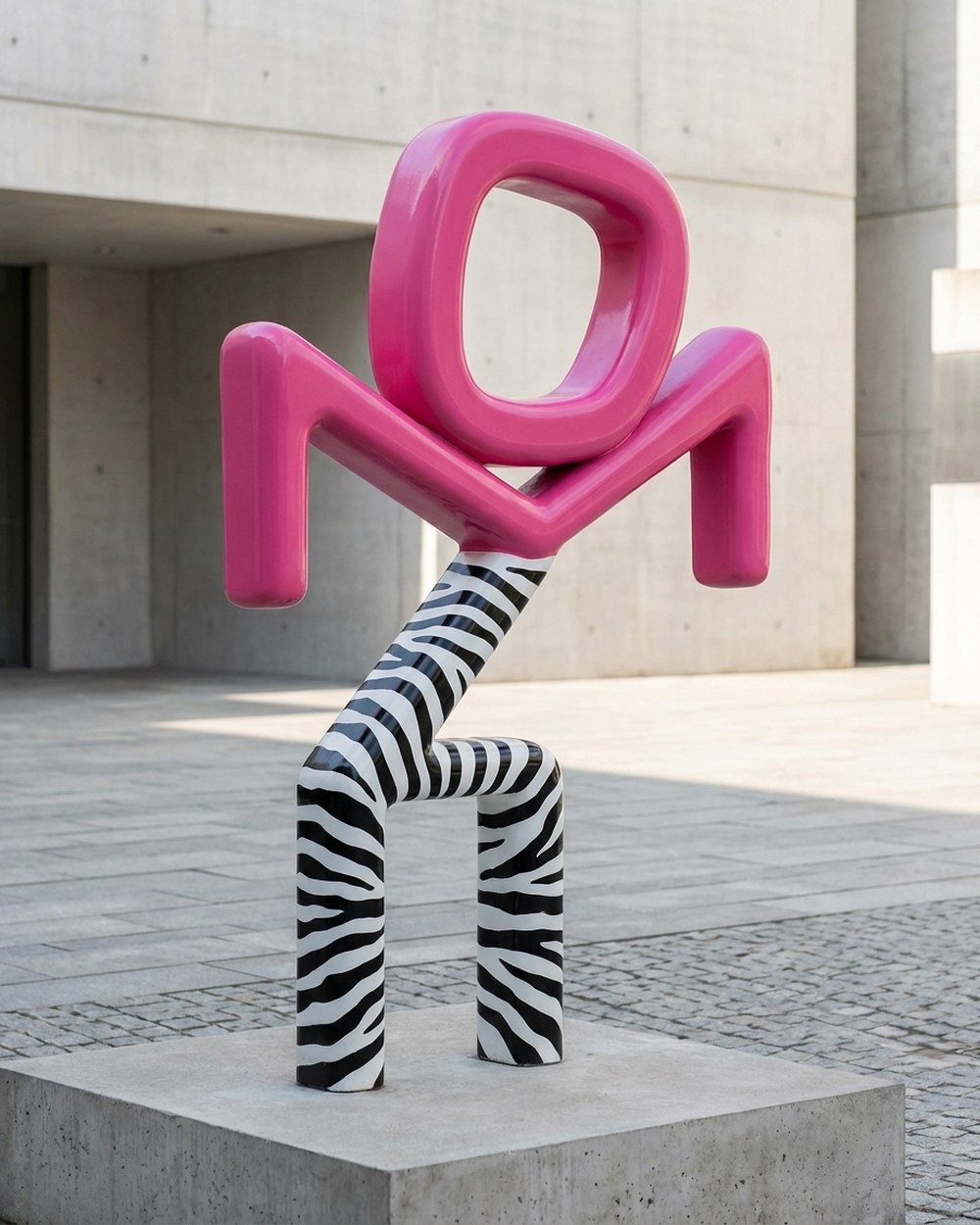
ONS begins with an opening collection of four works, sharing a common origin in the letter and differing in stance, scale, and mood. The collection shows that ONS is a system that produces varied beings, not a single design.

Labi', the lion character of ONS, in a living space
Character

Labi’

The Lion

A leonine reading emerged in the extended body, the raised head, and the mass that surrounds it. The character carries a confident stance and a quiet strength, without imitating anatomical detail. Labi' is the pivotal work in the collection, and its clearest character from a distance.

Character

Lahi

Play and lightness

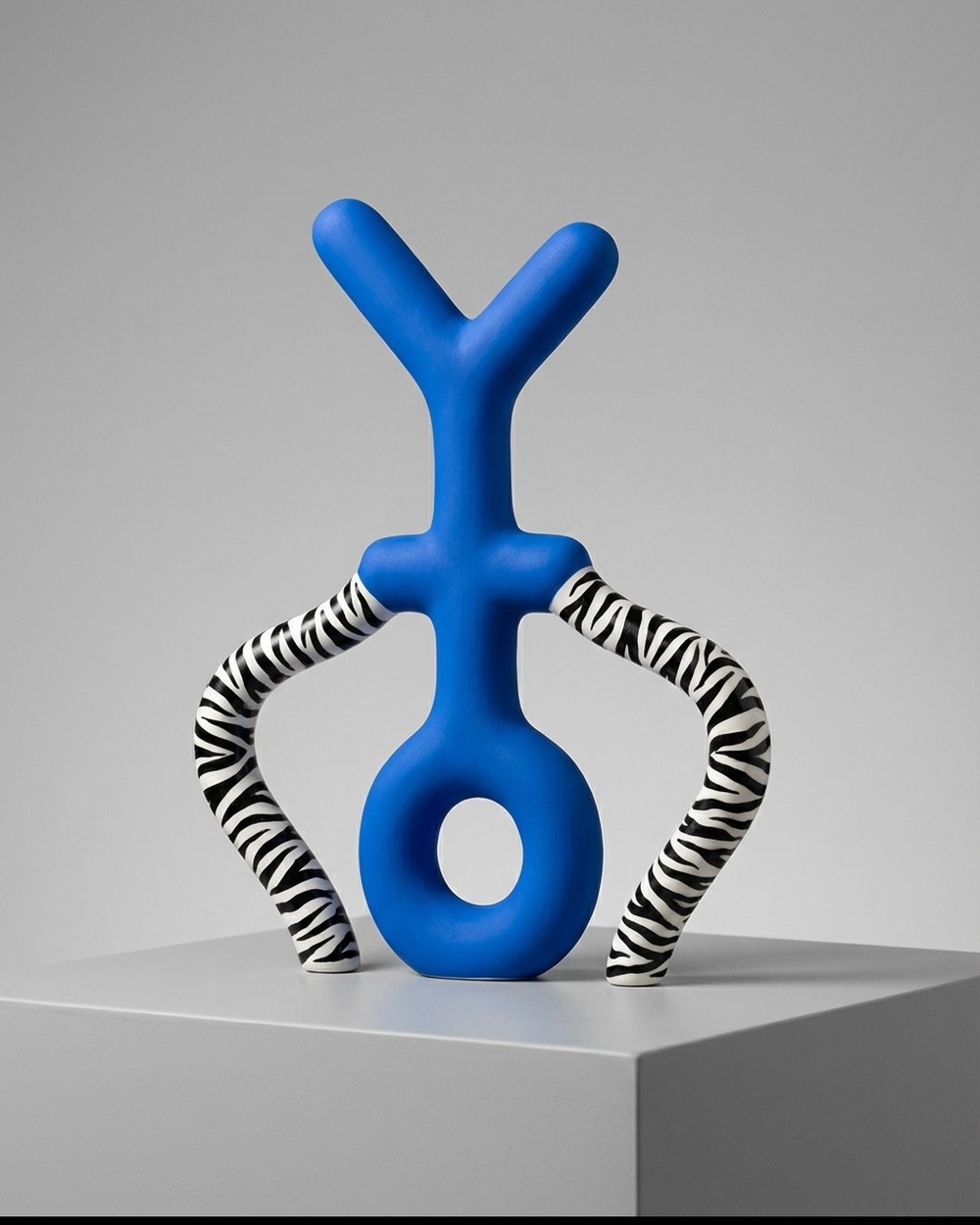
Lahi seems to have paused mid-movement, its body tilting off its axis with a balance that holds something of surprise. Its curves give it a quick rhythm and a playful character that never settles for long. Its presence eases the weight of the collection and adds a measure of spontaneity.

Lahi, the playful ONS character, blue with striped limbs
An ONS work with a yellow body and striped limbs
An ONS work with a pink base and two yellow-and-black striped loops

Materials

Collectibles are produced from high-precision moulds with hollow, internally reinforced bodies, then finished by hand in successive coats that achieve colour and sheen. Larger works are executed in aluminium or steel according to scale and setting, in collaboration with a specialist fabricator and a structural engineer.

ONS at public scale: a blue work with striped limbs in a public square
ONS at public scale: a pink work with striped limbs on a concrete plinth
Public-scale models: 3 m and above.
ONS gives memory a body that stands beside us and keeps our life company.
Marya Mayan
For acquisition, commissions, and cultural collaborations
marya@mayanart.net
More work
Back to all works